Where is Turkey located?
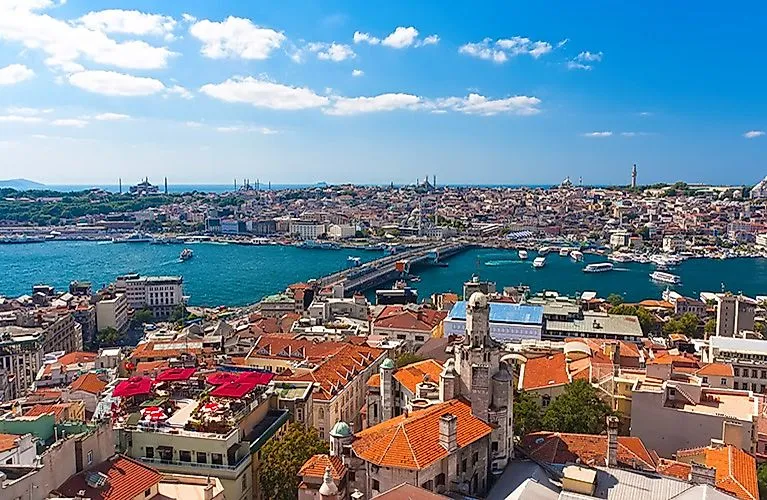
Turkey lies at the interface between Europe and Asia and connects two continents both geographically and culturally. The smaller part of the country, Eastern Thrace, belongs to south-eastern Europe and borders Greece and Bulgaria. The much larger part, Anatolia, lies in the Near East and is bordered by the Black Sea to the north, Georgia, Armenia, Iran and Azerbaijan (Nakhichevan) to the east, Syria to the south and the Aegean Sea to the west.
With an area of around 783,000 km², Turkey is roughly twice the size of Germany. It has over 85 million inhabitants. The metropolis of Istanbul lies partly in Europe and partly in Asia - separated by the Bosphorus - and is the cultural and economic center of the country. The capital Ankara is located in the interior of the country.
Geographical diversity: from high mountains to steppes
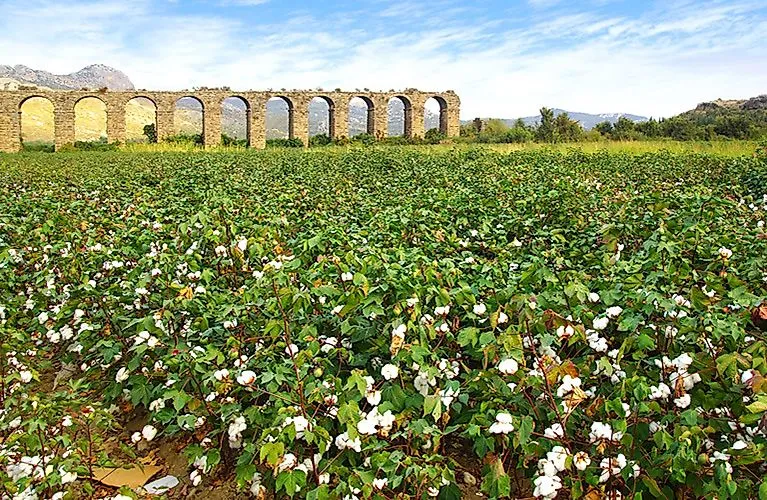
Turkey impresses with a fascinating variety of landscapes: the European west is characterized by rolling hills, dense forests and fertile fields - this is also where the vibrant metropolis of Istanbul is located. In the north, green mountains stretch along the Black Sea coast, whose rich soils provide ideal conditions for growing tea, tobacco, corn and hazelnuts. Central Turkey is full of contrasts with vast plateaus, striking mountain ranges and dry steppes - ideal for growing cereals and fruit. Finally, in the east, the impressive high mountains rise up with the majestic Ararat, the highest mountain in the country. Here, in one of Turkey's oldest cultural regions, the Euphrates and Tigris rivers rise and run through fertile land that is traditionally cultivated with cereals, olives, wine and pistachios.
Economy and tourism in Turkey
The economic situation in Turkey is characterized by major differences: on the one hand, the modern west with its industrial centers , especially in the large cities, and on the other, the less developed east with its agricultural structures. The most important economic sectors are the textile, automotive and electronics industries and, of course, tourism. The tourist centers in Turkey are located on the south coast between Antalya in the west and Cape Anamur in the east, the so-called "Turkish Riviera", and on the southern Aegean coast with the famous seaside resort of Bodrum.
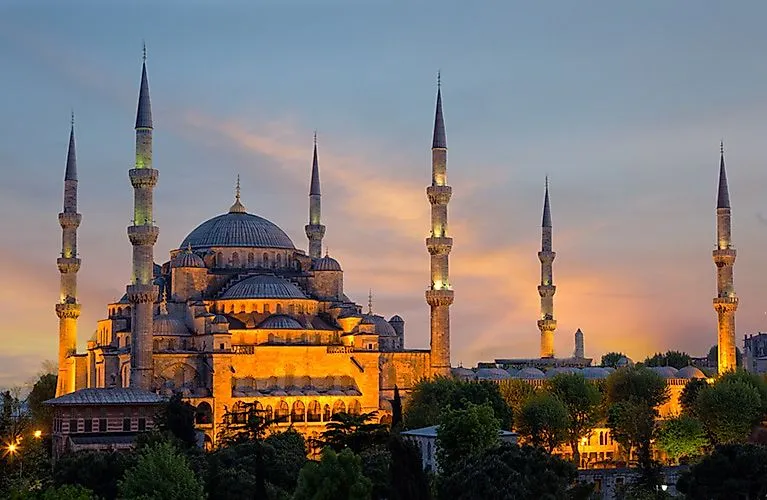
Well-known sights can be found above all in the metropolis of Istanbul, such as the Hagia Sophia mosque, the Archaeological Museum or the old town. The ancient cities of Troy, Hierapolis with the limestone terraces of Pamukkale, Ephesus with the Celsus Library, Myra with the Church of St. Nicholas and the Göreme National Park with the rock monuments of Cappadocia are also worth a cultural visit.
How many people live in Turkey?
Turkey has over 85 million inhabitants. The capital Ankara has almost 6 million people and is not only a university city, but also an important center for industry and services. The country's largest city is Istanbul, which is home to over 15 million people. The metropolis on the Bosporus is also Turkey's most important economic, cultural and historical center - and one of the largest cities in the world. The third largest city is Izmir with over 4 million inhabitants and the second largest port in the country.
Active vacation in Turkey
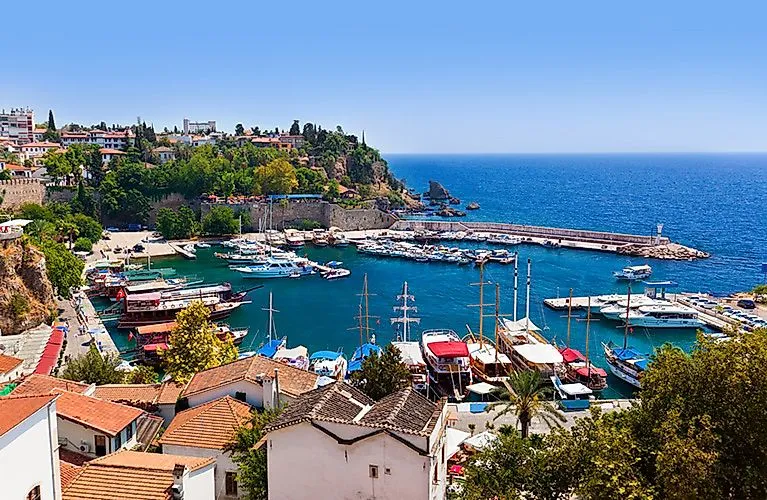
Turkey offers an impressive variety of outdoor activities. Along the Mediterranean coast, turquoise waters, hidden bays and miles of beaches beckon for swimming, diving, sailing and kayaking. In the region around Kemer, southwest of Antalya, hikers and mountain bikers can discover the wild beauty of the Taurus Mountains - with spectacular views over the sea, which you can also marvel at with the webcams.
Those who prefer hiking will find a perfect combination of nature, history and panorama on the famous Lycian Way, one of the most beautiful long-distance hiking trails in Europe. Paragliding from Mount Babadağ near Ölüdeniz or a balloon ride over the surreal tufa landscapes of Cappadocia are among the unforgettable highlights. Climbing, canyoning or rafting are also possible in many regions - for example in the gorges of Köprülü Canyon or in the rocks of Geyikbayırı. In winter, places like Erciyes or Palandöken turn into popular ski resorts.
Whether by the sea, in the mountains or in remote national parks - Turkey is a true paradise for outdoor activities and offers the perfect setting for exercise, relaxation and experiencing nature at any time of year.
What is the weather like in Turkey?
Due to its location on two continents and the diverse landscape regions in Turkey, there are also different climatic zones. The north is characterized by warm summers, mild winters and little rainfall, with most of the precipitation falling on the coastal regions of the Black Sea. Southern Turkey, with its Mediterranean climate, is the warmest region in the country, i.e. hot, dry summers and mild, wet winters. In contrast, the interior of the country has a continental climate characterized by extreme temperature fluctuations with very high temperatures in summer and very cold winters.
Book your dream accommodation!
Date range
Adults
2
Children
0